LSCS (CAESAREAN)
About LSCS (CAESAREAN)
When is a caesarean delivery needed?
What is a C-section?
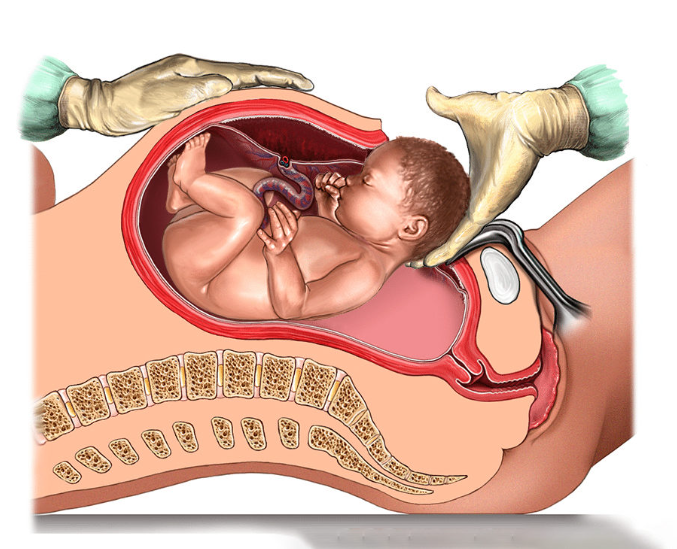
A caesarean delivery, also called a C-section or caesarean birth, is the surgical delivery of a baby through a surgical cut or incision in a woman's abdomen and uterus. After the baby is removed from the womb, the uterus and abdomen are closed with stitches that later dissolve.
Caesarean delivery may be necessary in the following circumstances:
-
Labour is not progressing.
-
The infant's health is in danger.
-
The baby is in the wrong position.
-
The pregnant woman is delivering two or more foetuses (multiple pregnancies).
-
The baby is too large.
-
The placenta has problems.
-
The mother has an infection.
-
The mother has a specific medical condition.
Women who have a caesarean delivery may be given pain medication with an epidural block, a spinal block, or general anaesthesia. An epidural block numbs the lower part of the body through an injection in the spine. A spinal block also numbs the lower part of the body, but through an injection directly into the spinal fluid. Women who receive general anaesthesia, often used for emergency caesarean deliveries, will not be awake during the surgery.
When is a caesarean delivery needed?
Caesarean delivery is a type of surgery, so it has risks and possible complications for both mother and baby.
Possible risks from a caesarean delivery include:
-
Infection
-
Blood loss
-
Blood clots in the legs, pelvic organs, or lungs
-
Injury to surrounding structures, such as the bowel or bladder
-
Reaction to medication or anaesthesia used
-
It is important to note that these risks also apply, to some degree, to vaginal birth.
A woman who has a caesarean delivery may also have to stay in the hospital longer than a woman who has had a vaginal delivery.
The more caesarean deliveries a woman has, the greater her risk of certain medical problems and problems with future pregnancies, such as uterine rupture and problems with the placenta.